

In 2025, we have more options than ever for colorectal cancer screening—and that’s great news. The two leading choices today are colonoscopy and DNA stool tests, both designed to detect early warning signs before cancer develops. While they share the same goal, these screenings work in very different ways. Deciding between them often depends on factors like risk level, comfort, cost, and how hands-on you want your approach to be. Let’s take a closer look at what sets them apart and which one might be right for you.
The Gold Standard: Colonoscopy’s Proven Power

Colonoscopy remains the most comprehensive screening tool available. It allows doctors to visually inspect the entire colon, detect even tiny polyps, and remove them during the same procedure. This hands-on accuracy is the main reason it’s still considered the gold standard for colorectal cancer screening. For individuals who want to ensure they’re getting the most thorough check possible, consulting the best colonoscopy doctor can make all the difference in comfort, safety, and precision. While it requires preparation and sedation, its long screening interval—typically every ten years if results are normal—makes it a highly efficient option in the long run.
DNA Stool Tests: Non-Invasive and Convenient
DNA stool tests, such as Cologuard and other modern kits, have grown in popularity for their convenience. These at-home tests detect genetic mutations and blood traces that may indicate colorectal cancer or precancerous growths. They’re painless, private, and require no bowel preparation—just a simple sample sent to a lab. For many, especially those hesitant about invasive procedures, this option feels less intimidating. However, stool tests need to be repeated more frequently (every one to three years), and a positive result still requires a follow-up colonoscopy for confirmation.
Accuracy and Limitations: Where They Differ

While DNA stool tests are improving rapidly, colonoscopy still wins in terms of accuracy and comprehensiveness. A stool test can miss smaller polyps or abnormalities, especially those that don’t shed enough cells or DNA into the stool sample. Colonoscopy, on the other hand, offers direct visualization and immediate removal of potential problem areas. That said, stool tests are a valuable alternative for people at low risk or those who cannot undergo a colonoscopy due to medical reasons. It’s less about which is “better” and more about what fits your health needs and comfort level.
Cost, Comfort, and Convenience
When comparing both options, cost and convenience often play major roles. Colonoscopies are typically more expensive upfront and require some downtime for preparation and recovery. DNA stool tests, being at-home and non-invasive, offer more comfort and privacy at a lower immediate cost. However, if a stool test comes back positive, the need for a follow-up colonoscopy can add to the total expense. In the long term, insurance coverage, personal risk factors, and peace of mind are key considerations in deciding which method makes the most sense for you.
Screening in the Age of Personalized Health

As health care in 2025 becomes more data-driven and personalized, both colonoscopy and DNA stool tests play important roles in preventive medicine. People with a family history of colorectal cancer or other risk factors may benefit most from regular colonoscopies. Meanwhile, those at average risk may find DNA stool testing a comfortable starting point for early detection. The future of screening may even combine both methods—using stool tests for initial detection and colonoscopy for follow-up—to create a more tailored, effective approach to preventive care.
Whether you choose a colonoscopy or a DNA stool test, the most important step is simply getting screened. Both methods save lives by detecting cancer early, when it’s most treatable. Your choice should depend on your health profile, personal comfort, and discussions with your doctor. As technology continues to evolve, colorectal cancer screening in 2025 is becoming more adaptable, accessible, and empowering—making it easier than ever to stay ahead of your health.…




 The tranquil surroundings and slow pace of golf create the perfect environment for stress reduction. Golfing itself can be a form of mindfulness meditation, helping reduce anxiety and improve mental well-being. The physical activity involved in golf also triggers the release of endorphins, our body’s natural mood lifters. As you walk the course and engage in swings, your brain rewards you with a surge of feel-good chemicals, leaving you with a sense of accomplishment and contentment.


 Eggs could be the secret to healthy hair. They are affordable and versatile, and eggs provide essential nutrients that promote hair growth. One of these key nutrients is biotin, also known as vitamin B7. Biotin helps our bodies produce keratin, a protein that makes up the structure of our hair. Eggs also contain other vitamins and minerals, such as iron and zinc, which help to keep your locks strong and lustrous. Incorporating eggs into your diet can be easy – scramble them for breakfast or add hard-boiled eggs to your salad for lunch. If you’re feeling more adventurous, try making an omelet with spinach and mushrooms or a frittata with broccoli and cheese.

 While veganism has numerous health benefits, there are some potential risks. A vegan diet eliminates many essential nutrients in animal products, such as iron and vitamin B12. A vitamin deficiency can cause anemia or weakened immune systems if not appropriately supplemented.
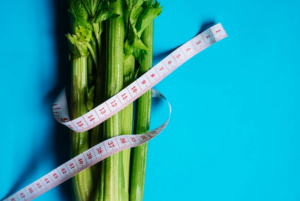 Another benefit of THCV is that it can help you suppress your appetite. Reducing your calorie intake is essential if you’re trying to lose weight. With THCV, you will find that your cravings for unhealthy snacks are reduced, making it easier to stick to a healthy diet plan. This can be especially beneficial if you have difficulty controlling your cravings. Moreover, THCV can also help slow digestion, further reducing your appetite.
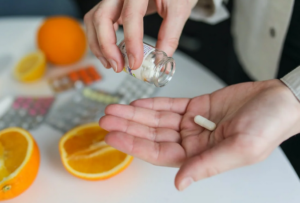 One of the most important things to consider when selecting supplements is where they come from. You must buy your supplements from a reputable, trusted brand. This will ensure that the supplement contains only quality ingredients and no fillers or harmful additives. Also, try to research the company thoroughly before making any purchases. Look for reviews and customer feedback to get a better sense of the quality of their products.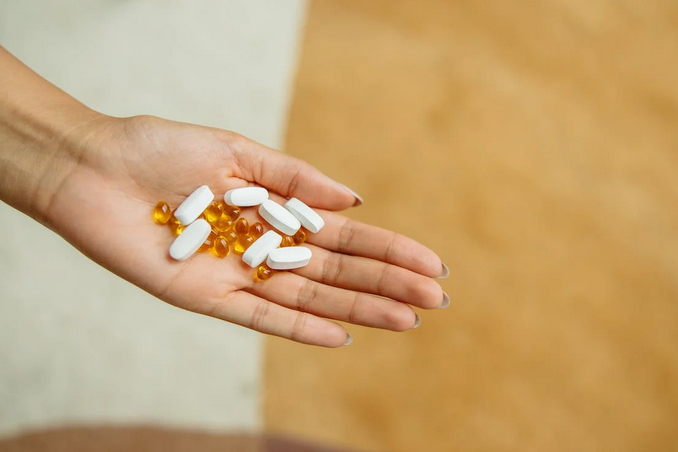
 Finally, it’s essential to consider your personal goals and lifestyle when selecting quality supplements. Think about what specific health benefits you are looking for, and then choose a supplement that will best meet those needs. For example, focus on supplements containing naturally stimulating ingredients if you want to boost your energy levels. On the other hand, if you’re looking for a better night’s sleep, opt for something with calming herbs or melatonin.
 One of the significant benefits of HIIT is that it burns a lot of calories quickly. If you’re short on time and need to get in a quick workout, HIIT is ideal. A study from the American Council on Exercise found that HIIT can burn up to 50% more calories than traditional cardio workouts. In addition, HIIT has been shown to continue burning calories even after you’ve finished your training.
 In addition to all of the other benefits of HIIT, it’s also been shown to reduce your risk of heart disease. A study from the American College of Cardiology Journal found that HIIT can reduce your risk of developing cardiovascular disease by up to 30%. This training can reduce heart rate, blood pressure, and cholesterol levels. So, if you’re looking to improve your heart health, HIIT is a great option.
 Experts believe that poor oral hygiene could lead to an infection in the gums, which can then travel through the bloodstream and damage the heart. This is because the bacteria from the infection can attach to fatty deposits in the arteries and cause them to become inflamed. While more research needs to be done in this area, it is definitely something to keep in mind when considering your oral hygiene habits.
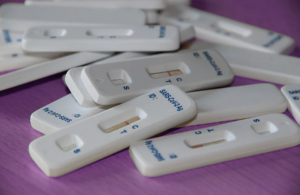 The most common test for detecting COVID-19 is the rapid antigen test. This test is simple to use and can provide results within minutes. It involves taking a sample of mucus from the nose or throat and testing it for the presence of the virus. The rapid antigen test is the fastest and can detect the virus in nearly 100% of cases.
 The serology test is a blood test that can detect the presence of antibodies to COVID-19. This test is more accurate than the PCR test and can be used to determine if a person has been vaccinated against the virus. This test works as follows that if antibodies are present, it means that the person has been infected with Covid-19 at some point in. The serology test is also more expensive than other tests, and it takes longer to perform. However, serology test is available in all countries.
 One of the most apparent benefits that come along with engaging in sports is improved cardiovascular health. Whether it’s swimming, running, or biking, you’ll be able to see your heart rate increase and blood pumping faster throughout your body, which means more oxygen being sent out to different parts of your body. This will allow for an increased workout performance and a decreased risk for heart disease and other cardiovascular problems.
 One thing you might not think about when engaging in different types of sports is muscle strength. However, this is one of the biggest benefits that comes along with it, and you’ll be able to see a difference in your muscle strength after only engaging in sports for a couple of months. It doesn’t matter if you’re swimming or running. Either way, your muscles will become stronger due to having more endurance for different
  One of the lesser-known benefits that come along with engaging in sports is improved mental health. According to WebMD, regular physical activity increases serotonin levels which can lead to an overall improvement in your mood and reduce depression rates and stress levels. If you’re feeling down during the day, going for a run or hitting the gym might be the best thing you can do for yourself.